 International Bass Fishing™
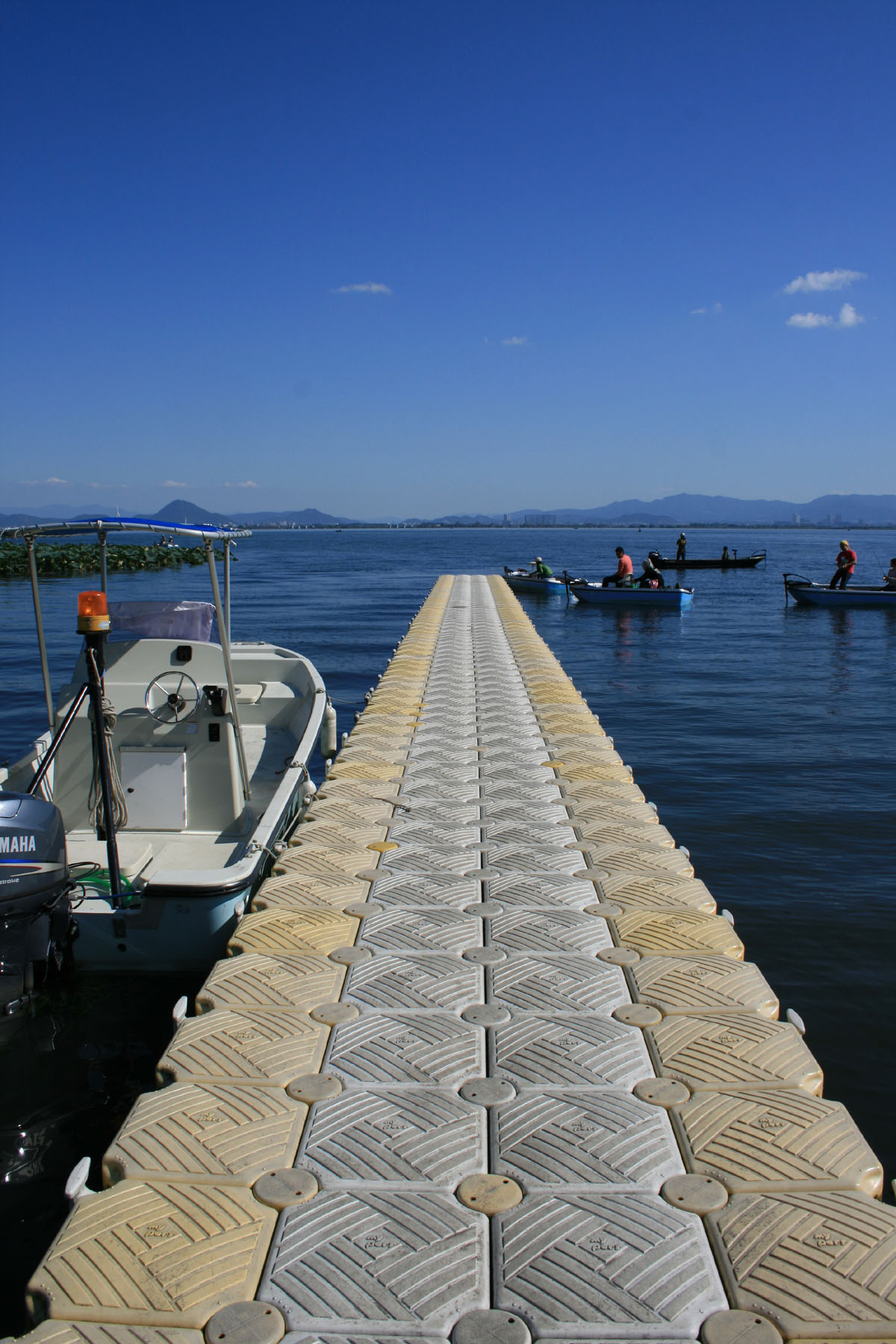
Bass boats at the dock. Photo: ccfarmer / Panoramio via Wikimedia Commons, CC BY 3.0.
Every angler has a list of things they swore they would fix “after the season.” The reel that started grinding on the third cast. The spool of fluorocarbon that has been on the casting rod since spring. The crankbait with one hook that has been rolled over since that dock pole in August. The rod with a guide that snags braid.
Winter is when that list gets done. Some of us are still fishing cold water through December and January, and our cold-water guide covers that. Even so, the short days and slower bite give you time at the bench. A few evenings of maintenance now means the first warm week of spring is spent fishing, not re-spooling in the parking lot.
Here is the order we work in.
Start with an honest inventory
Pull everything out: every rod, every reel, every box and bag. Lay it out on a table or the garage floor. Then sort into three piles:
- Ready. Clean, working, rigged with line you trust.
- Needs work. Cleaning, new line, new hooks, a guide repair.
- Done. Broken beyond reason, duplicated five times, or not fished in two seasons.
The third pile is the hardest and the most useful. A lighter, organized bag fishes better than a heavy one you can’t find anything in. Use the inventory to note what you actually need before the spring sales, too. A fishing log helps here: if you never caught a fish on it, ask whether it needs a spot in the boat.
Reels: clean, dry, lube sparingly
Reels take the most abuse and give the clearest warning signs: grinding, a rough retrieve, a drag that jerks instead of slipping smoothly, or a baitcaster that free-spools unevenly.
A basic winter service for most anglers looks like this:
- Strip the old line so you can see the spool and line guide.
- Wipe the exterior with a damp cloth, then dry it. Pay attention to the area around the handle, the level wind on baitcasters and the bail on spinning reels, where grit and dried lake water collect.
- Check the drag. Set it, pull line by hand and feel for smooth, consistent slip. A drag that sticks and releases is a lost fish waiting to happen.
- Oil and grease per the manufacturer. Use the reel maker’s guidance for where oil goes and where grease goes. More is not better; excess lubricant collects dirt and can slow a spool.
- Store with the drag backed off so the washers are not compressed all winter.
If a reel still grinds after a cleaning, or you are not comfortable opening the side plate, a tackle shop or factory service is money well spent. Take a photo of the internals before you take anything apart if you decide to go further yourself.
Line: replace more than you think
Line is cheap compared with a lost fish. Fluorocarbon and monofilament take on memory, nicks and abrasion over a season. Braid lasts longer but frays where it runs through guides and across cover.
- Run the last few feet of line through your fingers. Any roughness, flat spots or a chalky look means it is time.
- Mono and fluorocarbon that saw a full season of use are usually worth replacing before spring.
- Braid can often be reversed on the spool to put fresh line at the business end, then topped with a new leader.
- Re-tie your leader connections while you are at it. Our knot guide covers the Palomar, Uni and Double Uni.
Dispose of old line responsibly. Many marinas and tackle shops have recycling bins, and cutting old line into short pieces before it goes in the trash keeps it from tangling wildlife.
Hooks and hardware
Dull hooks lose fish quietly. You never know how many short strikes were really missed hooksets.
- Test every treble and single hook by dragging the point lightly across a thumbnail. A sharp point catches; a dull one slides.
- Replace rusted, bent or rolled hooks rather than sharpening them. Keep a small selection of replacement trebles in the sizes your crankbaits and jerkbaits use.
- Check split rings for gaps and swap any that are opened or rusted.
- Clean blades on spinnerbaits and bladed jigs; a blade that doesn’t spin freely at slow speeds is a problem in cold water. Our blade guide explains what each shape is supposed to do.
Rods: guides, tips and handles
- Run a cotton swab through every guide. If it snags fibers, there is a crack or groove in the insert that will damage line. Mark it with tape and get it repaired.
- Inspect the tip for cracks, especially on rods that rode in a rod locker all season.
- Check reel seats for tightness and corrosion.
- Clean cork and foam handles with mild soap and water and let them dry fully.
- Store rods upright or in a rack, not leaning in a corner where they can take a set.
If you are rethinking which rods you carry, our breakdown of a five-rod bass setup is a good starting point.
Soft plastics and boxes
- Keep soft plastics in their original bags or in like-with-like trays. Some plastics react with each other or with hard tackle boxes and can melt or bleed color.
- Dry every box completely before closing it for winter. Moisture plus metal hooks equals rust.
- Label boxes by technique, not by brand: finesse, moving baits, topwater, jigs. It speeds up rigging on the water.
Boat and kayak checks while you’re at it
The rod locker is only part of the system. Take the same evening to look at trolling motor props for fishing line wrapped around the shaft, check that navigation lights work, and confirm your life jackets and safety gear are where they should be. Kayak anglers should inspect rudders, pedal drives and anchor trolleys; see our kayak setup guide. And before your next trip to a new lake, review the Clean, Drain, Dry routine.
A simple winter schedule
- Week 1: Inventory and sort.
- Week 2: Reels cleaned and re-spooled.
- Week 3: Hooks, rings and blades.
- Week 4: Rods, boxes and boat gear.
Four evenings and the gear is ready. When the water starts warming and the fish move shallow, you will be the one making casts instead of fixing backlashes.
Tight lines from The Depth Chart.
Leave a Reply