 International Bass Fishing™
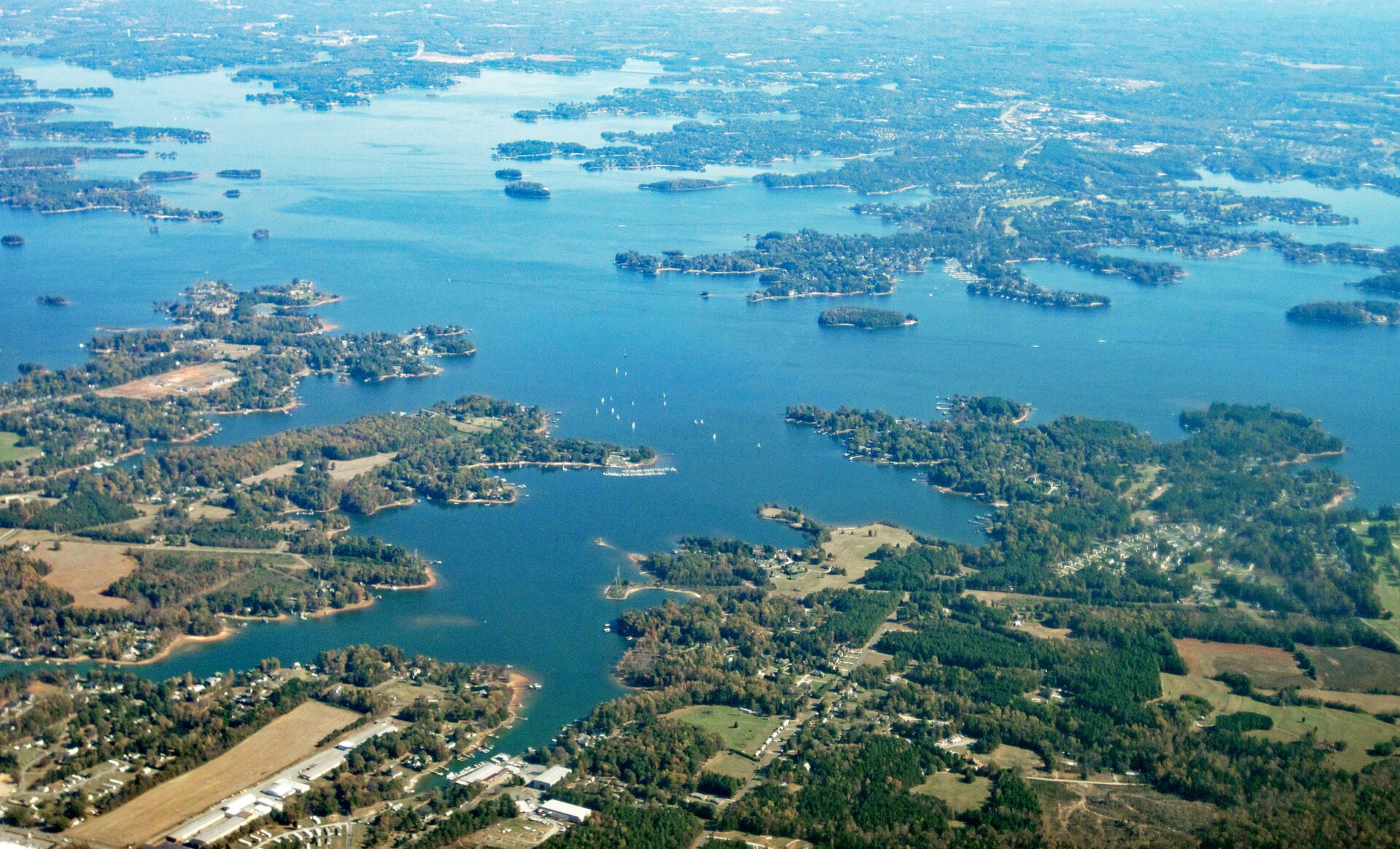
Lake Norman, North Carolina. Photo: James St. John / Wikimedia Commons, CC BY 2.0.
Short answer: If you are 16 or older and fish North Carolina’s public waters for finfish, you need a North Carolina fishing license. For bass fishing on lakes such as Lake Norman, Mountain Island Lake or High Rock Lake, the license that matters is the State Inland Fishing License: $32 a year for residents and $56 for nonresidents, under the Wildlife Resources Commission’s current fee rule. A 10-day inland license costs $12 for residents and $29 for nonresidents. Residents who also fish the coast can buy the Unified Inland/Coastal Recreational Fishing License for $51. Anglers under 16 are exempt, and the license requirement does not apply to private ponds. Licenses are sold through Go Outdoors North Carolina and Wildlife Service Agents.
Every winter, anglers start thinking about the spring bite, a first tournament or a trip to a new reservoir. A North Carolina fishing license is one of the least exciting parts of the plan and one of the easiest to get wrong, especially for anglers who split time between inland lakes and the coast, or who visit from out of state. This guide explains which license covers bass water, the current prices, short-term and lifetime options, and the main exemptions. Fees come from the Commission’s rule, 15A NCAC 10A .1601, as amended effective July 1, 2026.
Who needs a North Carolina fishing license
The North Carolina fishing regulations digest published for the Wildlife Resources Commission (WRC) puts the rule simply: individuals 16 years of age and older using any type of bait or gear to catch finfish in North Carolina’s public waters must have a valid North Carolina fishing license. The requirement does not apply to private ponds.
State law backs up the age rule. G.S. 113-276(d) says individuals under 16 are exempt from the fishing license requirements. The WRC’s licensing FAQ says the same for fishing and trout privilege licenses.
Licenses are personal. The WRC says all licenses are nontransferable, so a boat owner’s license does not cover the passengers. Each angler 16 or older needs their own.
Inland, coastal and joint waters: which license do bass anglers need?
North Carolina divides public waters into inland, coastal and joint fishing waters, and the license must match the water.
- Inland waters include the state’s reservoirs, rivers and streams away from the coast. The Catawba River chain near Charlotte, the Yadkin-Pee Dee lakes, and mountain reservoirs are inland bass water. You need an inland license (or a license that includes inland privileges).
- Coastal waters are covered by the Coastal Recreational Fishing License (CRFL). An inland license alone does not authorize fishing there.
- Joint waters are where inland and coastal jurisdiction meet. According to the regulations digest, both the State Inland Fishing License and the CRFL include joint waters.
The WRC’s FAQ notes that since January 1, 2007, anyone 16 or older who recreationally finfishes in coastal or joint waters must have a CRFL, with an exemption for holders of certain lifetime licenses bought before January 1, 2006.
If you fish coastal rivers for largemouth, such as tidal water in eastern North Carolina, check the boundary for that stretch before you go. Our guide to tidal bass fishing covers how those fisheries differ.
North Carolina fishing license prices (2026)
The fees below are from 15A NCAC 10A .1601, as amended effective July 1, 2026, and match the WRC regulations digest. Annual licenses are valid for 12 months from the date of purchase (G.S. 113-270.1B(b)).
| License | Resident | Nonresident |
|---|---|---|
| State Inland Fishing (annual) | $32 | $56 |
| Inland Fishing, 10-day | $12 | $29 |
| Coastal Recreational Fishing (annual) | $20 | $40 |
| Coastal Recreational Fishing, 10-day | $9 | $15 |
| Unified Inland/Coastal Recreational Fishing (annual) | $51 | not offered |
| Combination Hunting and Inland Fishing (annual) | $44 | not offered |
| Annual Sportsman (hunting and inland fishing) | $66 | n/a |
Why the price may differ from the statute
If you read G.S. 113-271, you will see older figures, such as $25 for the resident inland license. Under G.S. 113-270.1B(e), the WRC now sets license fees by rule, and the statutory fees expired when those rules took effect. Fee increases are capped by the change in the Consumer Price Index since the last fee change. Rely on the current rule and the WRC, not the statute’s dollar amounts.
Transaction fee
The WRC says a $5 transaction fee may be added to your order when a license is issued at a Wildlife Service Agent.
Lifetime and reduced-fee licenses
For anglers who fish every year, lifetime licenses can pay off. Current resident fees include:
- Lifetime Comprehensive Inland Fishing: $326
- Resident Lifetime Unified Inland/Coastal Recreational Fishing: $587
- Age 70 Resident Lifetime Inland Fishing: $20
- Resident Disabled Veteran Lifetime Inland Fishing: $15, for a resident who is 50 percent or more disabled as determined by the U.S. Department of Veterans Affairs, under G.S. 113-271
- Resident Totally Disabled Lifetime Inland Fishing: $15, for a resident who is totally and permanently disabled as determined by the Social Security Administration, under G.S. 113-271
The regulations digest also lists free options for eligible residents: a subsistence license waiver for residents receiving Medicaid, food stamps or Work First Family Assistance through their county Department of Social Services (obtained through DSS), a license for residents certified as legally blind, and a license for adult care home residents.
Special cases bass anglers ask about
Fishing from a private dock on a public lake
A private dock on Lake Norman is still on public water, so a license is required unless you are exempt. G.S. 113-271 offers a Special Landholder and Guest Fishing License that lets the landholder and invited guests fish from the shore or a pier or dock on the property without separate licenses, but only from that private property, only for guests who pay nothing, and only when the license is displayed on the premises. The current fee is $131.
Private ponds
The license requirement does not apply to private ponds, according to the regulations digest. Permission is still required, and our pond bass fishing guide covers that side of it.
Tournaments
A tournament entry does not replace a license. Every angler 16 or older needs one. If you are planning a first event, see our guide to your first bass tournament and the local overview of Lake Norman bass tournaments.
Bank fishing
Shore anglers need the same license as boaters. For Lake Norman access points and rules, see Lake Norman bank fishing for bass.
How to buy a license
The WRC says Go Outdoors North Carolina is the approved and authorized online provider of fishing and hunting licenses for the state. You can also buy from a Wildlife Service Agent, a business with a fixed North Carolina location that is approved to sell licenses. Have your identification and residency information ready; the WRC publishes identification and residency requirements on its license pages.
Before you buy, ask yourself three questions: Will I fish inland, coastal or both? Will I fish more than a couple of trips this year? Am I eligible for a reduced-fee or free license? Those answers usually point to the right product.
Boating to your spot? The Lake Norman Brief’s overview of North Carolina boating safety laws is a good refresher before the season starts.
Frequently asked questions
How much is a North Carolina fishing license in 2026?
A resident State Inland Fishing License is $32 a year and a nonresident license is $56. A resident Unified Inland/Coastal license is $51. Fees are set in 15A NCAC 10A .1601, as amended effective July 1, 2026.
Do I need a fishing license to fish Lake Norman?
Yes, if you are 16 or older. Lake Norman is inland water, so you need a State Inland Fishing License or another license with inland privileges, such as the Unified, Sportsman or a lifetime inland license.
Do kids need a fishing license in North Carolina?
No. Under G.S. 113-276(d), anglers under 16 are exempt from the fishing license requirement.
Does a coastal license cover freshwater bass lakes?
No. The CRFL covers coastal and joint waters only. For inland bass lakes, you need an inland license or the Unified Inland/Coastal license.
Is there a short-term option for a weekend trip?
Yes. The 10-day inland license is $12 for residents and $29 for nonresidents, valid for the 10-day period on the license.
Do I need a license to fish my own pond?
The license requirement does not apply to private ponds, according to the North Carolina fishing regulations digest.
Sources
- 15A NCAC 10A .1601, License Fees
- North Carolina Fishing Regulations, Fishing Licenses (eRegulations)
- NC Wildlife Resources Commission, License Types and Fees
- G.S. 113-270.1B, License required; fees set by Commission
- G.S. 113-271, Hook-and-line licenses in inland and joint fishing waters
- G.S. 113-276, Exemptions and exceptions to license requirements
General angling information, reviewed November 2026. License fees, privileges and regulations change; confirm the current requirements with the NC Wildlife Resources Commission before you fish. This is not legal advice.
Leave a Reply